Common Indoor Cannabis Fertilization Mistakes and How to Avoid Them
Indoor fertilization is one of the most critical factors affecting your final harvest. Yet it's also where growers—especially beginners—make the most mistakes. The problem often starts with a common misconception: believing that more fertilizer automatically means higher yields.
Plant nutrition is all about balance. pH, EC, root oxygenation, transpiration, and environmental conditions all work together. When one of these factors falls out of balance, the plant quickly shows it through changes in leaf appearance and growth rate.
Understanding the most common mistakes helps prevent nutrient lockout, osmotic stress, and unnecessary yield losses.
Signs That Indicate a Fertilization Problem
Cannabis plants communicate their internal condition through visible symptoms. Yellow leaves, burnt tips, and slow growth are all responses to nutritional imbalances.

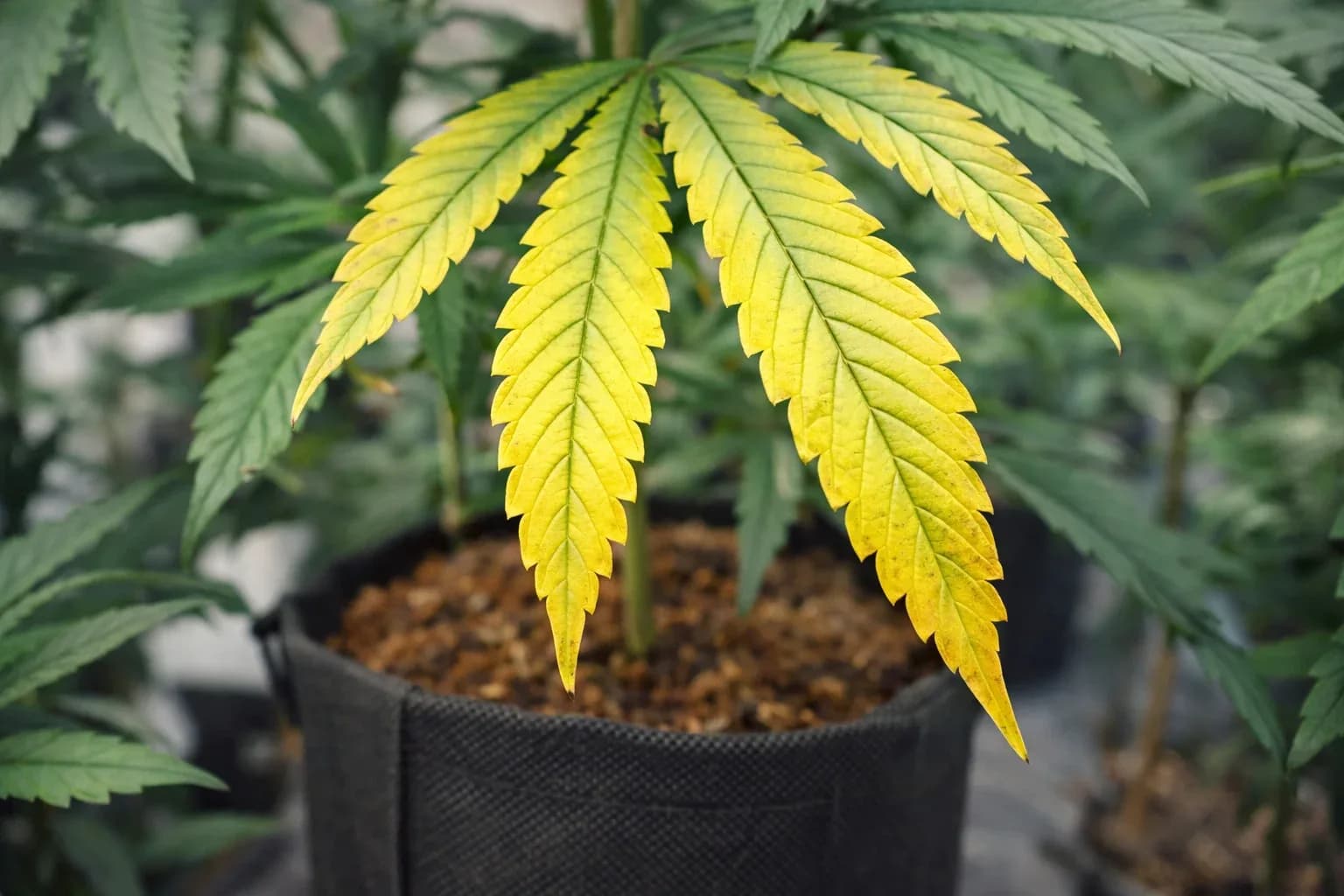
One of the most common symptoms is chlorosis, or leaf yellowing. Many growers immediately assume a nitrogen deficiency, but this conclusion is often incorrect. The issue may instead be caused by improper pH or overwatering that suffocates the root system.
When the growing medium remains waterlogged, roots cannot breathe properly. This lack of oxygen prevents nutrient uptake and causes widespread yellowing. The typical mistake is adding even more fertilizer, increasing salt concentration and making the problem worse.
High EC and Osmotic Stress
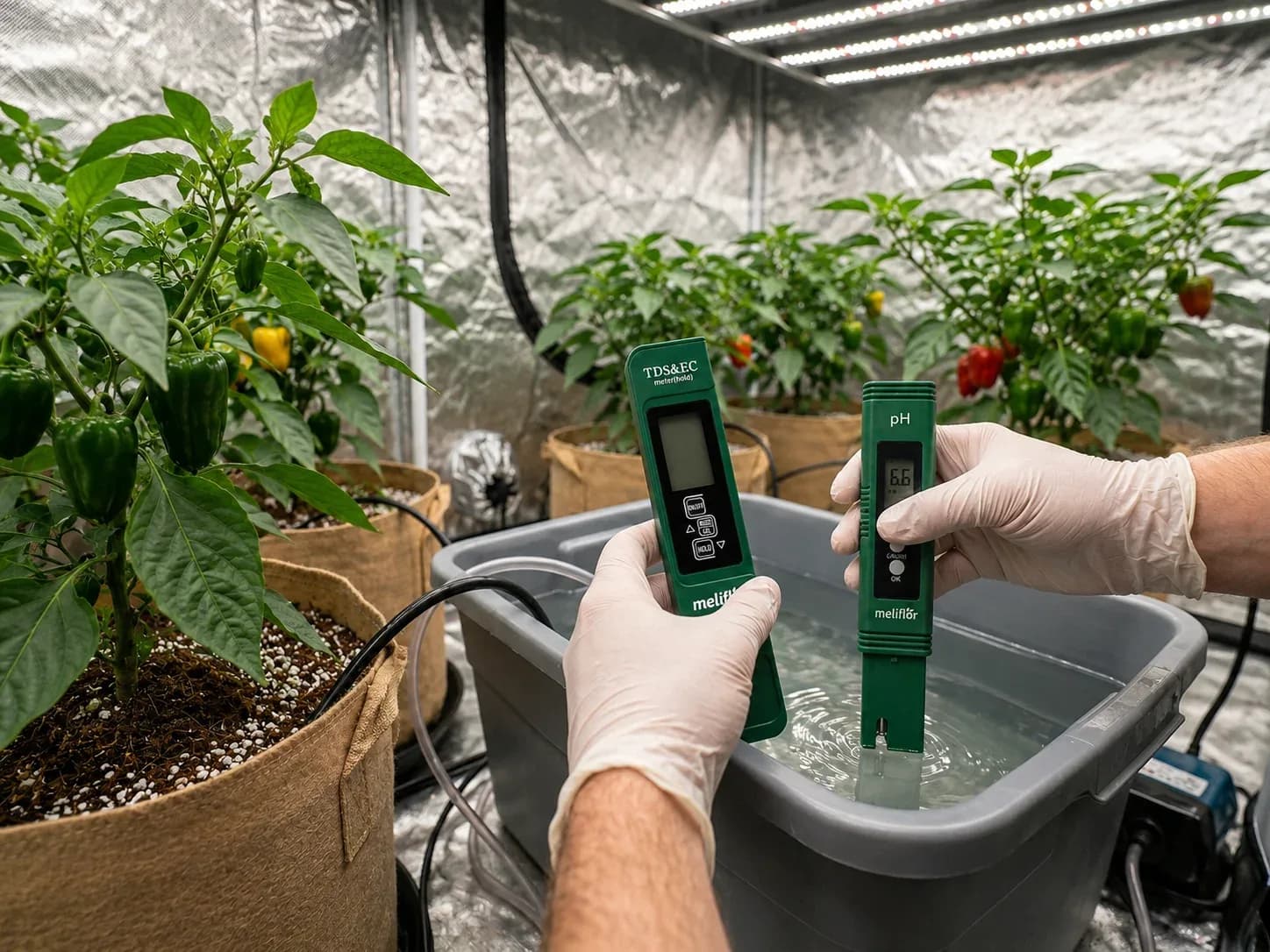
Electrical conductivity (EC) measures the concentration of dissolved salts in your irrigation water or growing medium. Many growers increase EC in an attempt to accelerate growth, but this often produces the opposite effect.
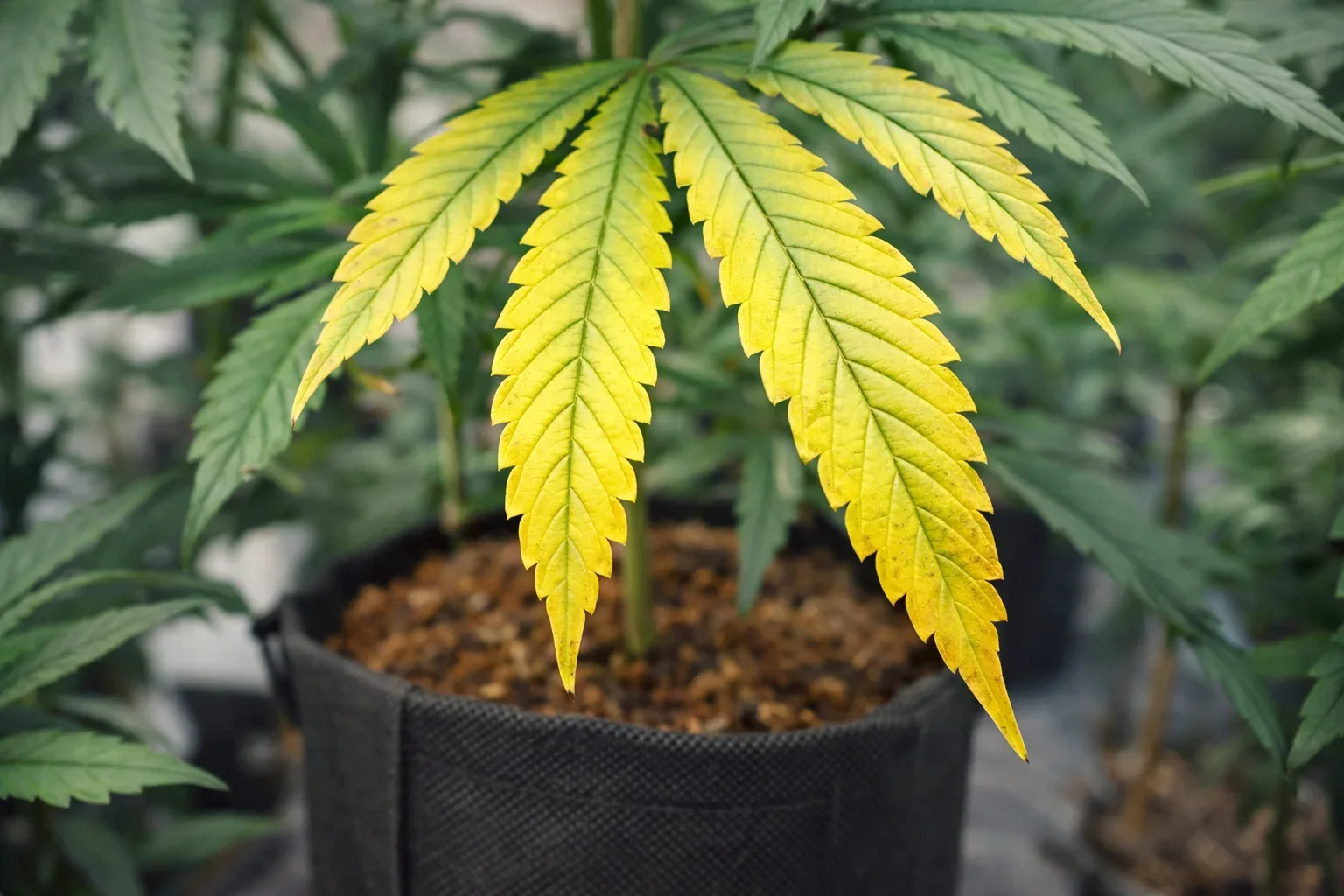
When salt concentrations become too high, osmotic stress occurs. Instead of absorbing water, the plant actually loses it back into the growing medium. The result is wilted leaves, burnt tips, and reduced growth.
This condition doesn't indicate a lack of nutrients—it indicates excess. The plant is trying to process more dissolved salts than it can safely absorb.
How Nutrient Uptake Really Works
Plants do not absorb fertilizer directly—they absorb mineral ions through electrochemical processes. These nutrients are transported via the xylem and phloem, the vascular tissues responsible for moving water, minerals, and sugars throughout the plant.
Under LED lighting, transpiration is generally lower than under traditional HPS lamps. This slows sap flow. If excessive fertilizer is applied, the plant cannot transport those nutrients efficiently, causing salts to accumulate in the growing medium and eventually leading to nutrient lockout.
For this reason, feeding programs should always be adapted to both the lighting system and the plant's actual growth rate.
pH: The Key to Nutrient Availability
pH determines which nutrients are actually available for uptake. Even if the growing medium contains plenty of fertilizer, nutrients become unavailable when pH falls outside the proper range.
For soil cultivation, the ideal pH is between 6.0 and 6.4.
For coco coir and hydroponic systems, the optimal range is 5.8 to 6.2.

A pH outside these values can cause nutrient lockout even when EC is perfectly acceptable. Maintaining the correct pH is the foundation of every effective fertilization program.
How to Correct Overfertilization
When symptoms of salt buildup or nutrient lockout appear, the goal is not to add more products—it is to restore balance within the growing medium.
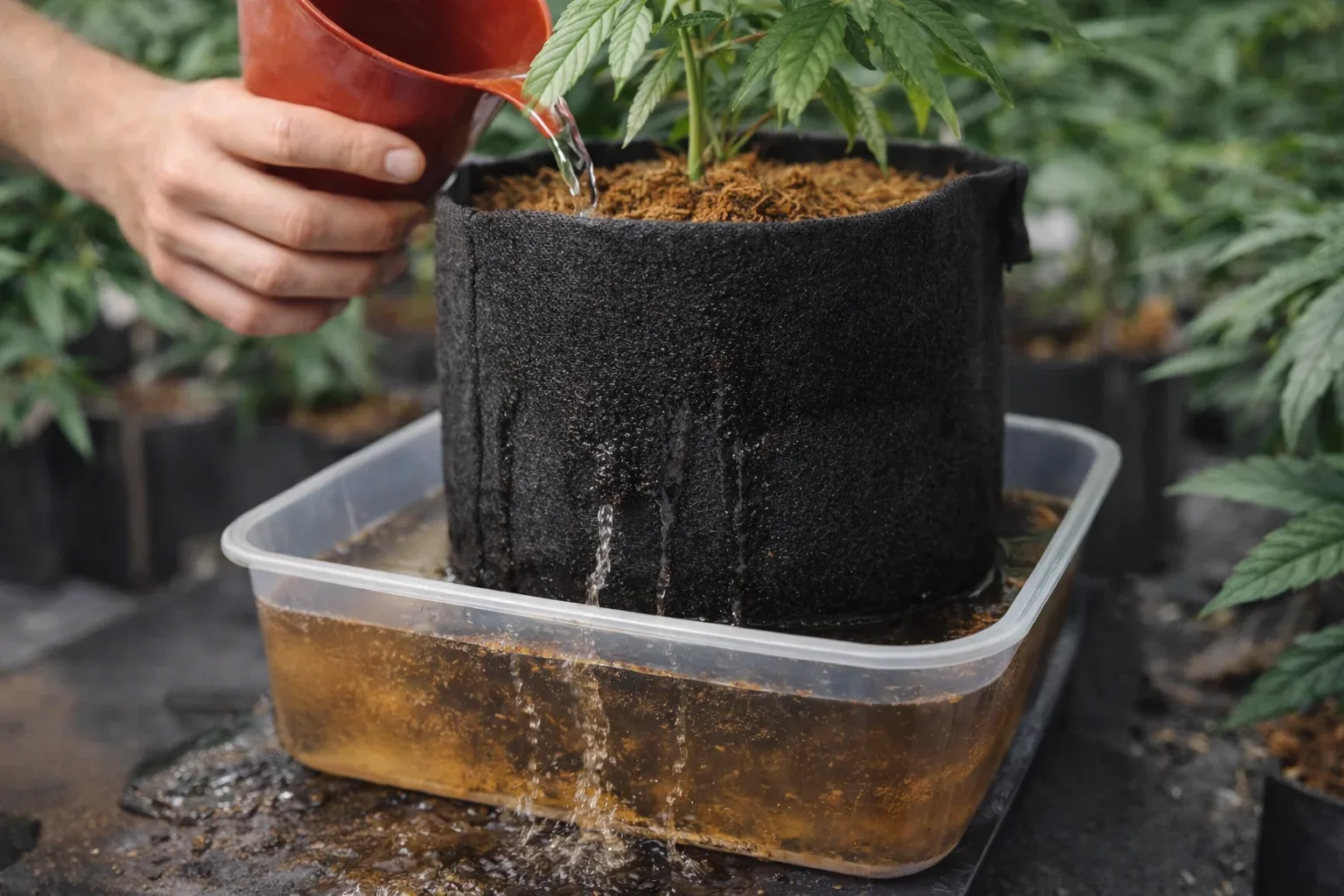
The first step is measuring the runoff EC. If it is significantly higher than the irrigation water, salt accumulation has occurred. In this case, flush the growing medium using pH-adjusted water to remove excess salts.
If you're unsure about the correct nutrient dosage for your setup, consider using a fertilization calculator that adjusts recommendations according to your growing system, water quality, and plant stage.
After flushing, apply a light dose of a balanced fertilizer. Leaving the plant with plain water for too long can trigger osmotic shock and weaken its metabolism.
Improving ventilation and maintaining proper humidity also encourages transpiration and supports efficient nutrient transport throughout the plant.
Mistakes You Should Avoid
One of the most common mistakes is ignoring pH. Adjusting fertilizer dosage without checking pH often results in nutrients becoming unavailable regardless of how much fertilizer is applied.
Another frequent error is relying on home remedies that lack scientific support. Products such as milk, soft drinks, or homemade mixtures can create organic buildup, promote pathogens, and worsen nutrient lockout.
It's equally important not to follow fertilizer feeding charts blindly. These schedules are designed for ideal conditions. The best approach is to begin with moderate doses and let the plant's response guide future adjustments.
The New Generation of Efficient Plant Nutrition
Traditional fertilizers rely on dissolved mineral salts, which can lead to accumulation and dosing errors. New-generation nutrition technologies are designed to improve nutrient uptake efficiency while reducing the risk of lockout.
Systems based on microscopic particles allow nutrients to be absorbed more rapidly and efficiently. This reduces salt accumulation within the growing medium and improves fertilizer utilization, resulting in healthier, more productive crops.
Many growers now choose base nutrients specifically designed to maximize efficiency while minimizing salt buildup in the root zone.
Conclusion
Successful indoor fertilization is not about feeding more nutrients—it's about maintaining balance throughout the entire growing system. pH, EC, root oxygenation, and environmental conditions ultimately determine how efficiently plants can absorb nutrients.
Observation remains the grower's most valuable tool. Leaf color, overall appearance, and growth rate reveal the true condition of the crop.
When nutrition is matched to the plant's real needs, nutrient lockout disappears and the plant can fully express its genetic potential.
Practical Tips to Avoid Fertilization Mistakes
- Keep pH within the recommended range for your growing system.
- Start with low nutrient doses and increase gradually.
- Water until runoff is achieved to prevent salt accumulation.
- Monitor both irrigation water EC and runoff EC.
- Observe your plants before adjusting your feeding program.