The Most Important Week of the Grow: How to Prepare Your Plants for Flowering
The Most Important Week of the Grow: How to Prepare Your Plants for Flowering
Many growers believe the real work begins when the first pistils appear. That's a mistake. The transition from an 18/6 to a 12/12 photoperiod is the most critical stage in determining your plant's final structure and yield potential. During this period of floral induction, the plant decides how many flowering sites it will develop and how it will allocate its energy.
If you don't adjust nutrition and environmental conditions during this 7 to 10-day window, you'll likely end up with uncontrolled stretch or, even worse, a nitrogen-saturated plant that takes weeks longer to properly develop dense flowers.
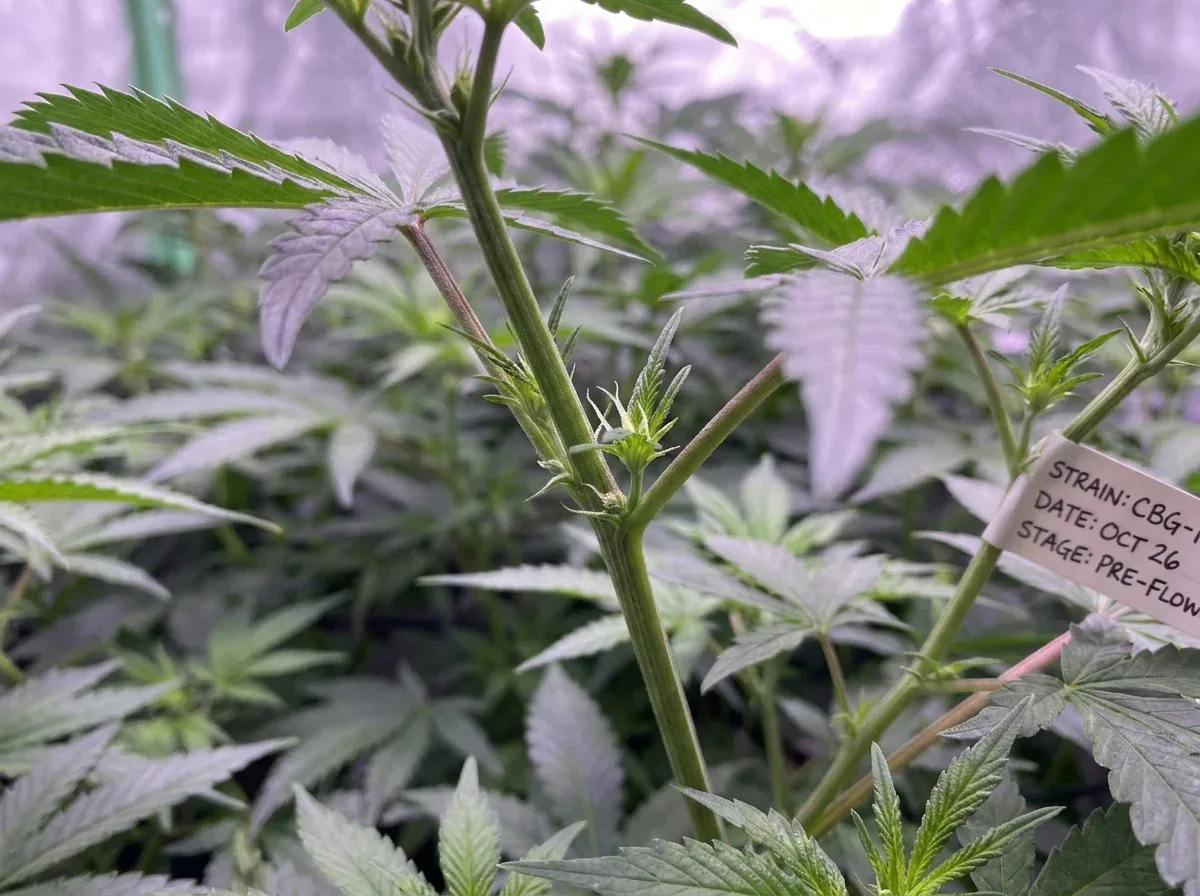
Photoperiod Transition: What Happens Inside the Plant Before Flowering?
When the light schedule changes, the plant triggers a massive hormonal cascade. Auxin production increases dramatically to promote vertical growth, allowing the plant to capture as much light as possible before shifting its focus toward reproduction.
This process demands an enormous amount of energy. At the root level, the plant requires an efficient vascular system capable of transporting water and nutrients to the rapidly developing new shoots.
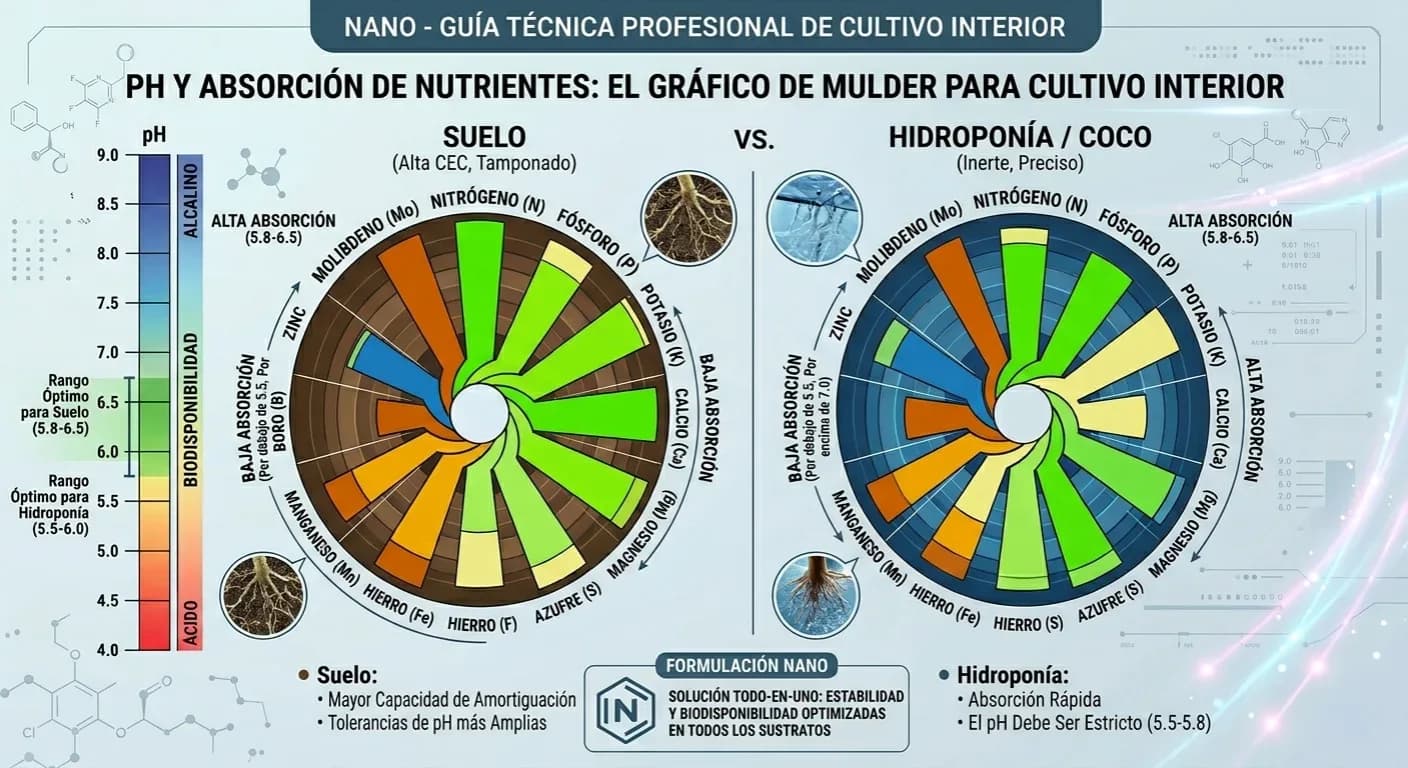
This is where the interaction between roots and substrate becomes critical. A growing medium overloaded with salts or an incorrect pH will restrict phosphorus uptake, an essential nutrient for cell division in the newly developing floral meristems.
The Common Mistake of Excess Nitrogen: Finding the Right Nutrient Balance
One of the most common mistakes is switching immediately to a flowering fertilizer loaded with phosphorus and potassium on the very day the light schedule changes.
The plant still needs Nitrogen (N) to build the vegetative structure that will support the buds. However, too much nitrogen during this phase suppresses flower development and results in excessively long internodes.
The key is intelligent simplification. Using formulas such as Nano 1 during the pre-flowering stage provides the nitrogen the plant still requires while maintaining a balanced supply of micronutrients and integrated CalMag, preventing osmotic stress.
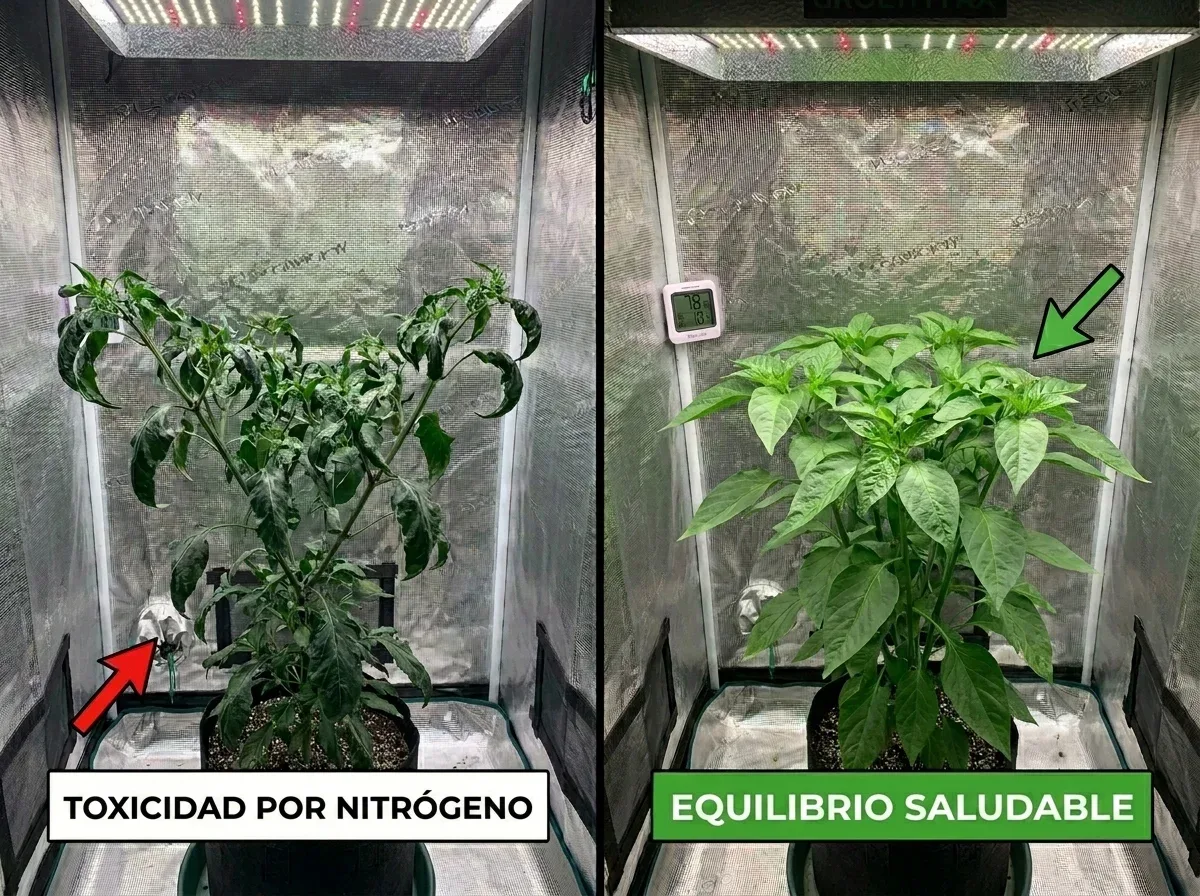
Strategies to Optimize the Pre-Flowering Stage
To master this phase, you need to think like a strategist rather than a spectator. Here are the key technical pillars.
Control Plant Stretch
Keep the day-to-night temperature difference (DIF) as small as possible to reduce internode elongation.
Increase EC Gradually
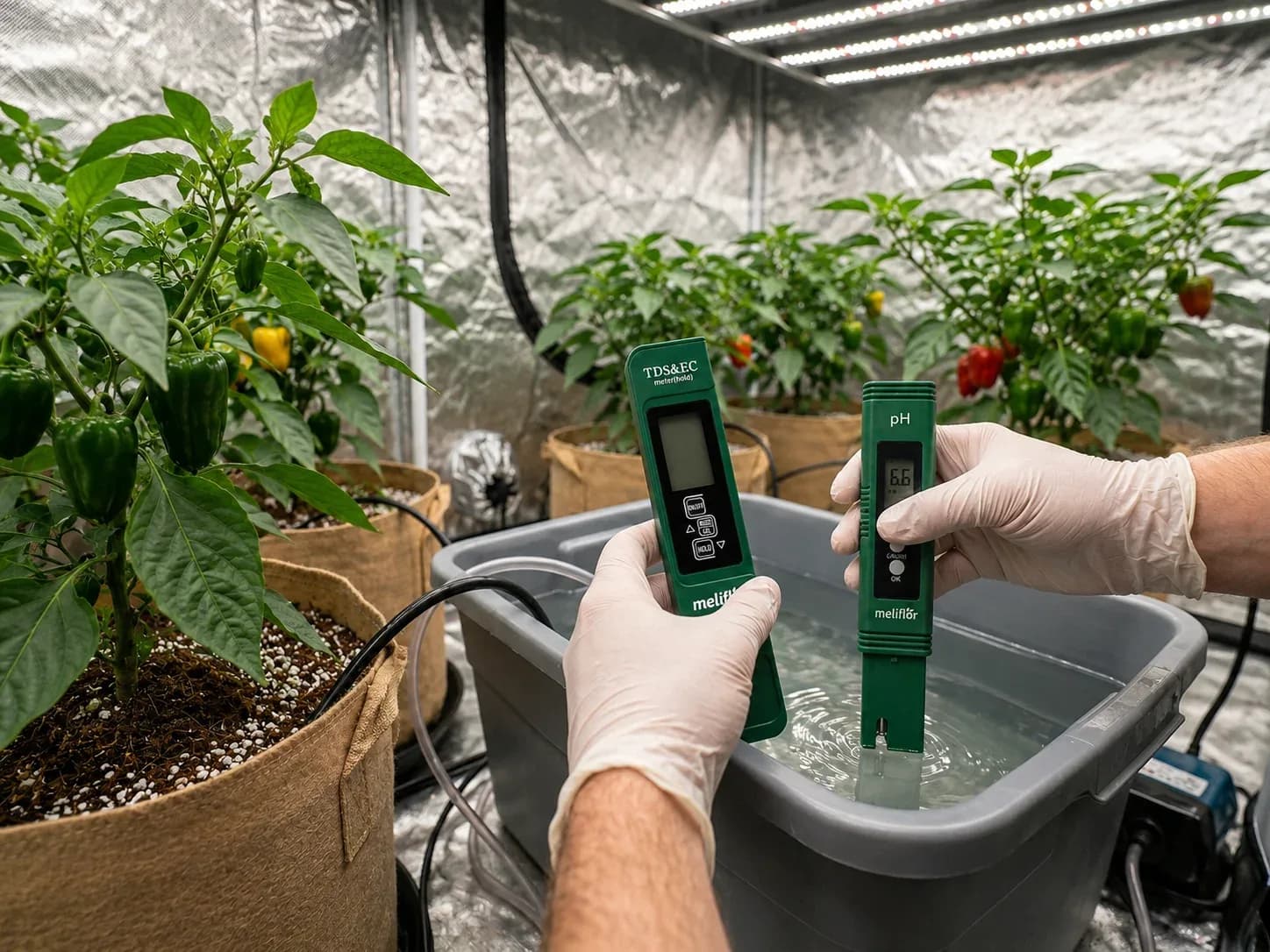
The plant's nutritional demand rises rapidly. If your plants are healthy, increase the EC progressively while ensuring adequate runoff to prevent salt accumulation.
Boost Photosynthesis
Under LED lighting, plants operate at a high metabolic rate. Introducing biostimulants such as CO2 Effect helps plants tolerate higher EC levels without stress, significantly enhancing nutrient transport from the roots.
Clean the Lower Canopy
Perform selective defoliation just before or during the first week after switching the light cycle to improve light penetration to the productive flowering sites.
The Nano Concept: Professional Nutrition Without the Complexity
Most pre-flowering problems result from complicated feeding programs involving multiple bottles, which often destabilize pH and create nutrient lockouts. The Nano range was specifically developed to eliminate that unnecessary complexity.
By using Nano 1 (designed for vegetative growth and pre-flowering), you provide an All in One nutritional base that already includes the necessary calcium and magnesium. This ensures plants reach the bulking phase free of hidden deficiencies and with a strong structural foundation.
It represents the evolution of advanced mineral nutrition that respects plant physiology without requiring you to become a laboratory chemist every time you prepare a nutrient solution.
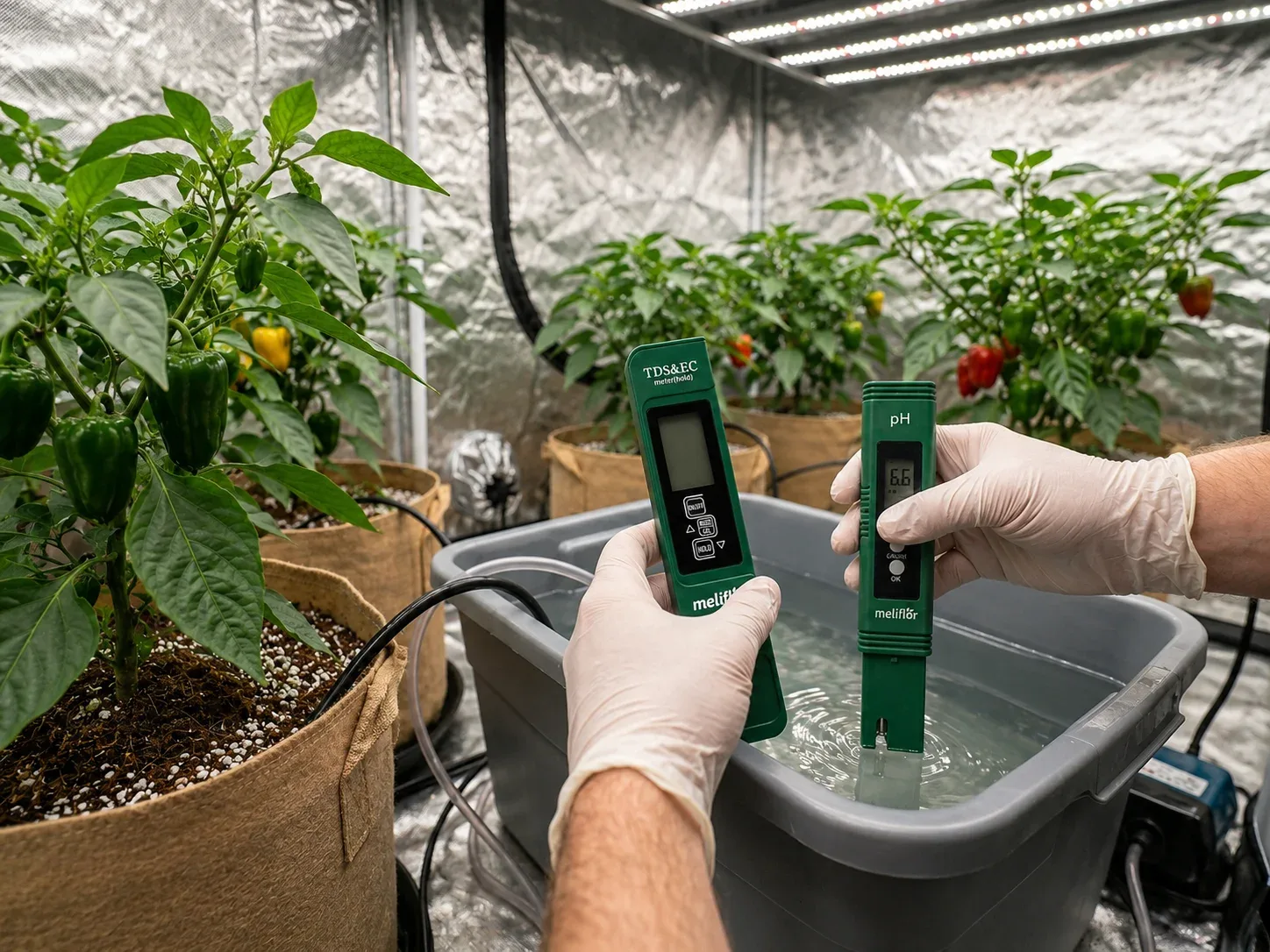
Quick Pre-Flowering Tips
- Don't switch fertilizers abruptly:
Continue using your vegetative fertilizer (such as Nano 1) until you see the first flower "buttons" beginning to develop.
- Monitor pH:
During this stage, maintaining a pH between 5.8 and 6.2 ensures optimal availability of phosphorus and essential micronutrients.
- LED Lighting:
If you're growing under LEDs, make sure the light intensity is correctly adjusted. Excessive light without adequate nutritional support can cause apical chlorosis.
- Use Biostimulants:
Applying CO2 Effect as a foliar spray during the transition week helps plants better cope with the stress associated with the change in growth cycle.
- Plant Spacing:
Leave enough space between plants. Pre-flowering stretch can drastically reduce airflow, increasing the risk of future pest and disease issues.