Root Flushing: When to Do It, How, and Common Mistakes
Few topics divide growers as much as root flushing. Some defend it as an essential step to clean the substrate and improve the final flavor. Others dismiss it entirely, arguing that it stresses the plant at the worst possible moment. And some do it out of habit, without being clear on what they're doing or why.
The truth, as almost always, lies in between. Flushing is neither a mandatory ritual nor an irrelevant practice. It's a tool with a specific purpose, and like any tool, it works well when used at the right time and poorly when applied without judgment.
What root flushing is — and isn't
Root flushing means watering with clean water, with no fertilizer or at a minimal dose, during the last weeks of the cycle. The goal is to reduce salt buildup in the substrate so the plant draws on its internal reserves before harvest. In theory, that improves the flavor and burn quality of the final product.
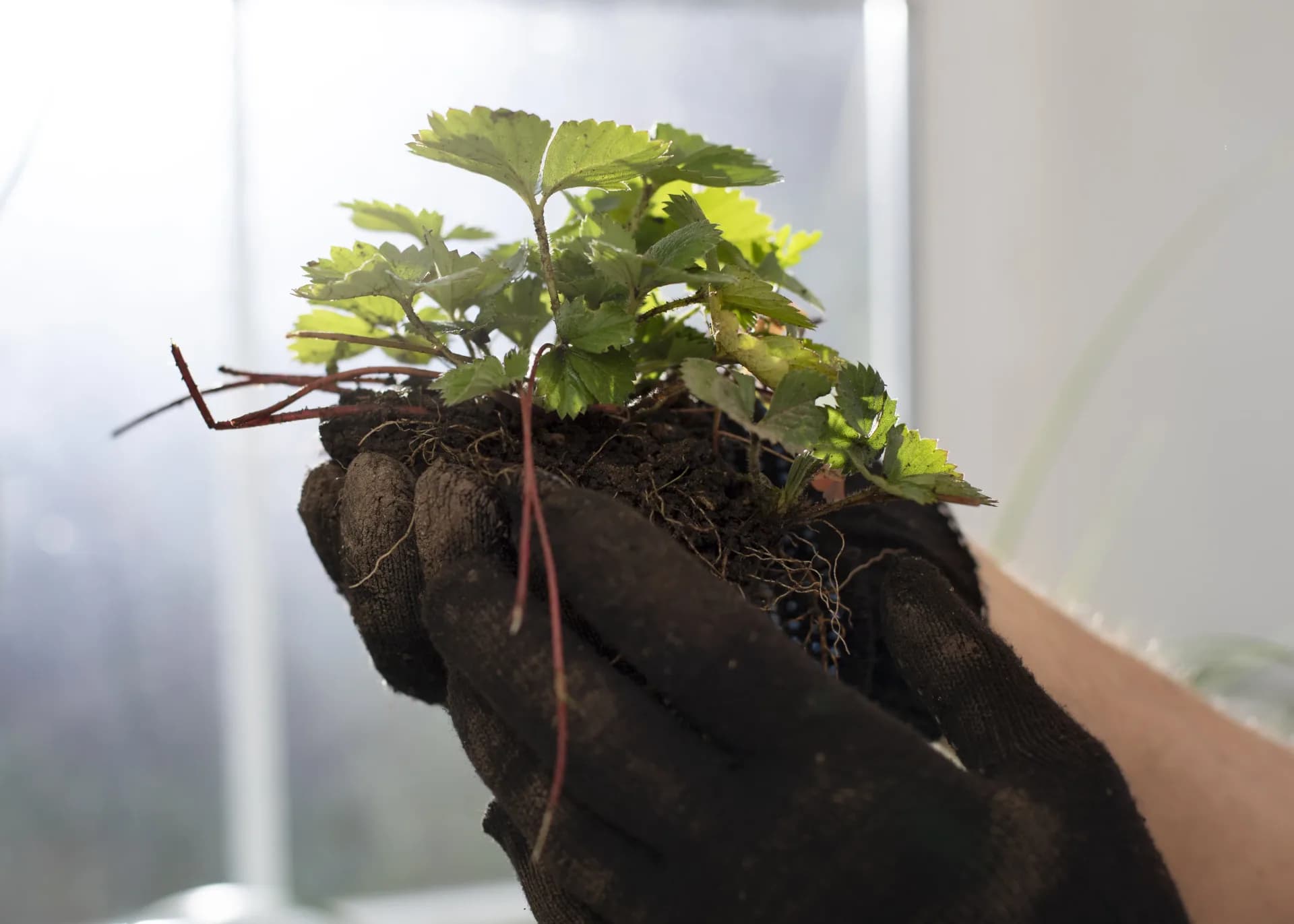
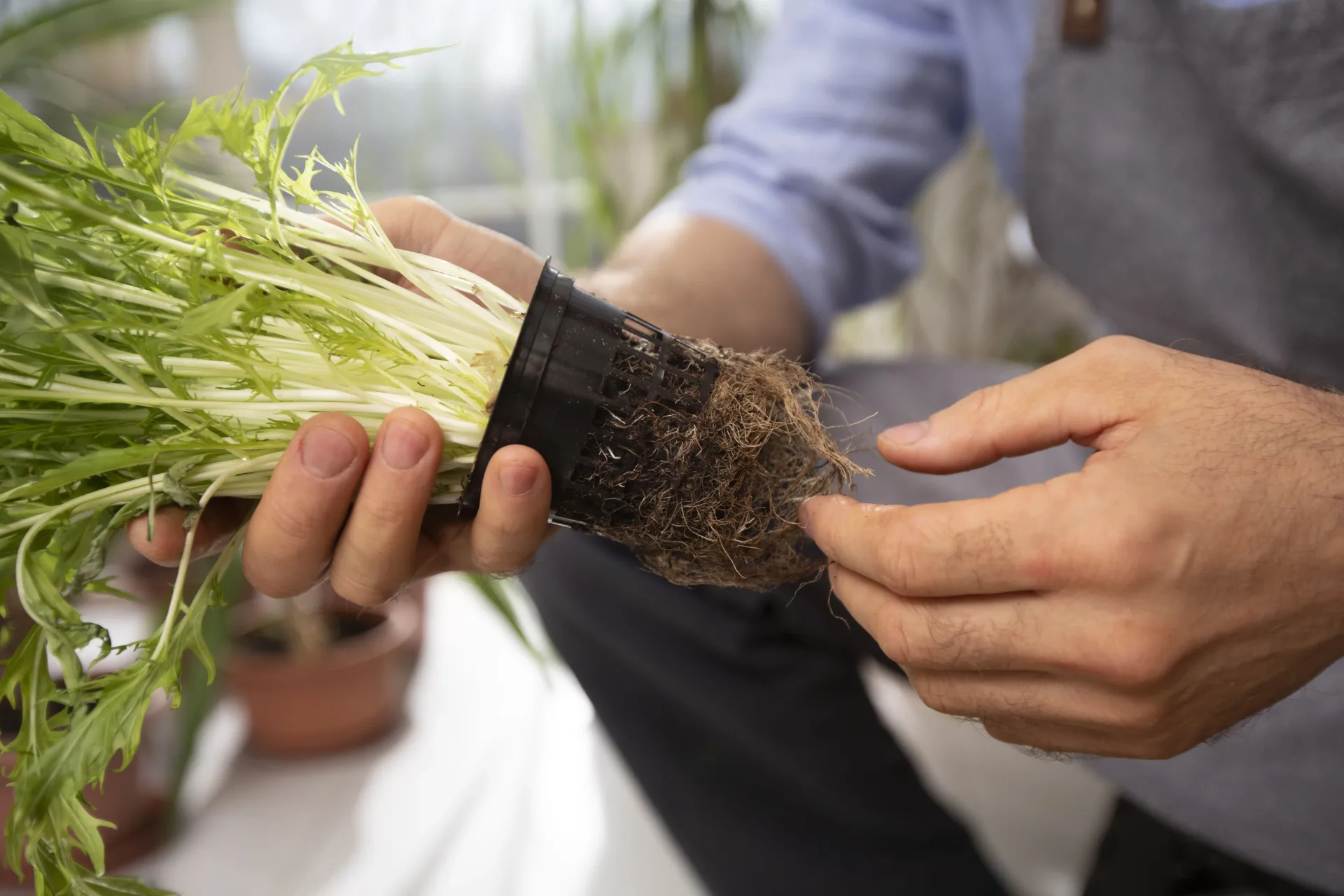
What flushing does NOT do is clean the plant from the inside. Nutrients already present in the tissues aren't removed with water. What gets cleaned is the substrate, by reducing the concentration of available salts so the plant stops absorbing and starts consuming what it has stored.
⚠️ What flushing doesn't fix A flush doesn't correct weeks of poorly managed feeding. If the substrate has been accumulating salts since week 3 and the runoff EC is well above the input EC, flushing for the last two weeks won't compensate for that imbalance. The problem is prevented throughout the whole cycle, not fixed at the end.
The debate: to flush or not to flush?
The most widespread position in professional growing is that flushing makes sense when high-concentration mineral fertilizers have been used throughout the cycle and salts have built up in the substrate. In those cases, the last weeks with clean water or a greatly reduced dose let the plant exhaust its reserves and produce a product with less mineral residue.
When working with balanced fertilizers, doses adjusted to feeding charts, and controlled runoff EC throughout the cycle, salt buildup is minimal. In that context, an aggressive flush can do more harm than good: it stresses the plant, drops the available EC below what it needs, and can trigger premature defoliation that affects final weight.
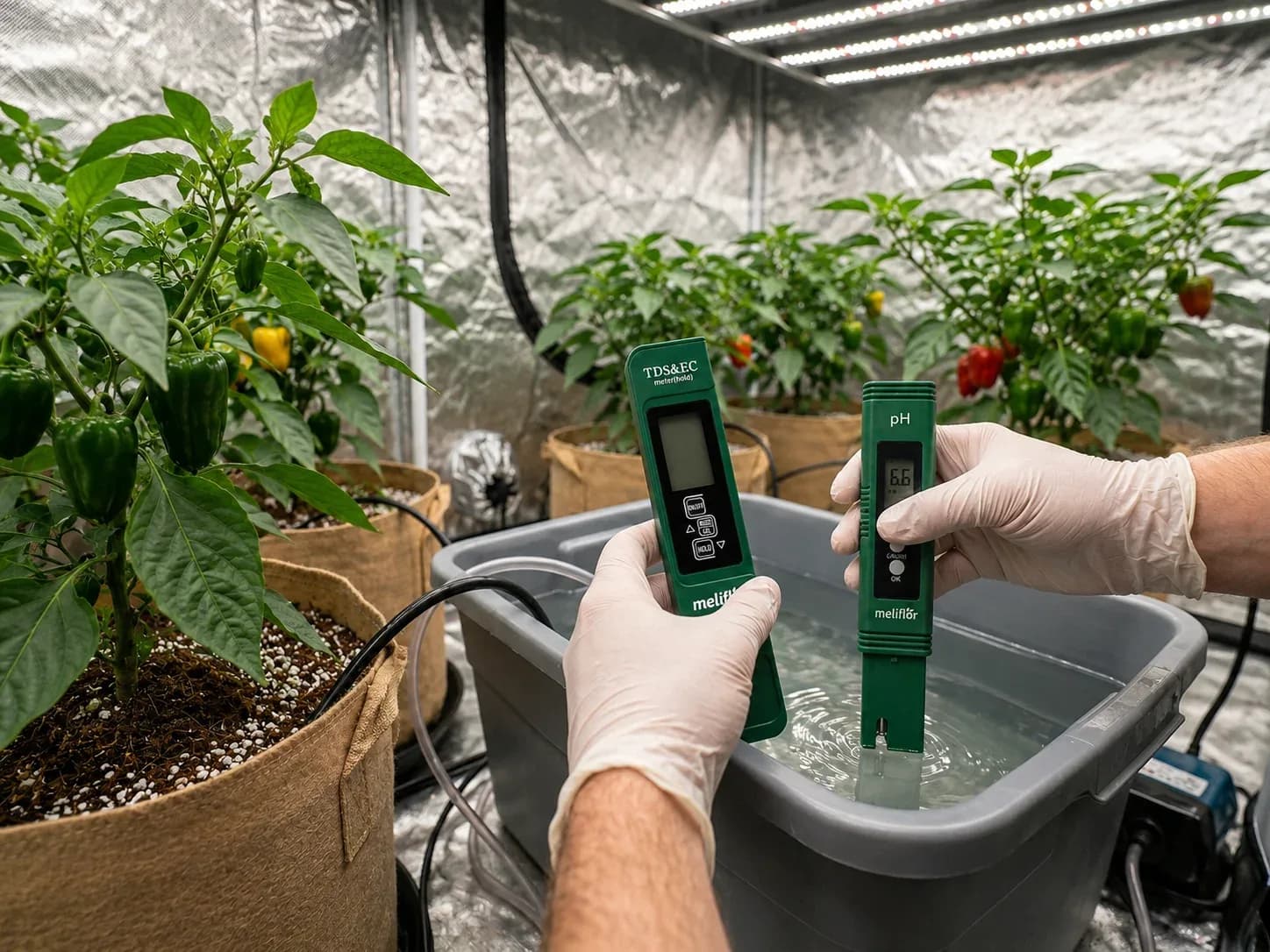
The key is runoff EC. If in the last weeks the runoff EC is similar to the input EC, the substrate is balanced and you don't need an intensive flush. If it's well above it — more than 1.5 mS over the input EC — it makes sense to drastically cut the dose or give a clean-water watering before cutting.
How to do it properly if you decide to flush
When to start ⏱️: the last one or two weeks before the estimated harvest date. Not earlier. Starting the flush too soon deprives the plant of nutrients while it's still active and can noticeably reduce final weight.
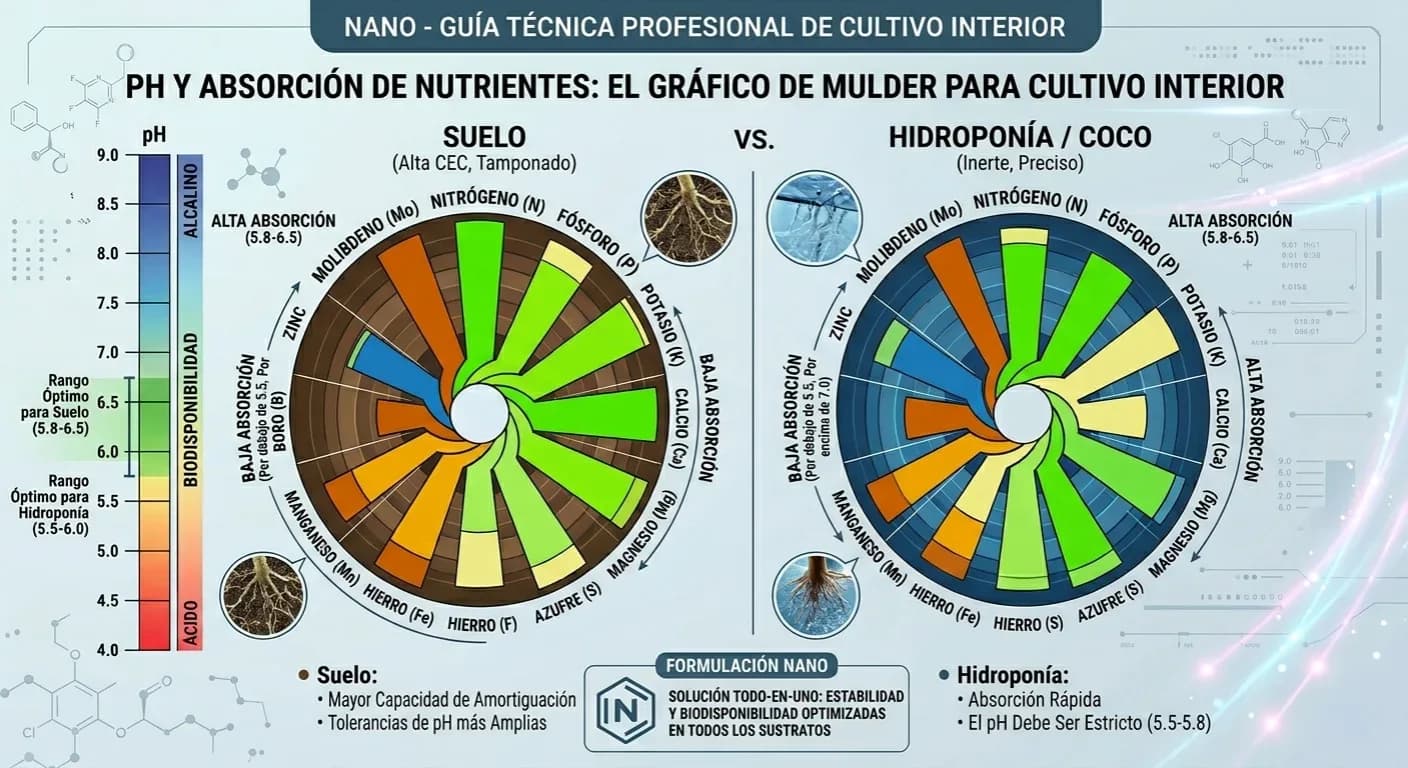
With what water 💧: clean water with pH adjusted to your substrate's range. Enzymatic cleaning products aren't necessary in every case. If the substrate is in good condition, plain water is enough to gradually lower the EC.
How much volume 🚿: the volume needed for runoff to visibly start lowering in EC. There's no universal number: it depends on the substrate, container size, and how much buildup there is. The reference is the runoff, not the volume.
What to keep ✔️: even if you reduce the base fertilizer to a minimum or drop it entirely, keeping Silic Stimulator at a low dose helps the plant manage flush stress without losing structural integrity. Silicon strengthens the cell wall and reduces susceptibility to pathogens in this final stretch.
💡 The Nano approach for the final weeks The Nano feeding chart already accounts for the gradual EC reduction in the final weeks: from 3.0 mS in peak bulking weeks to 2.7 mS in the second-to-last week and 1.7 mS in the last one. This gradual decline, with Sugar K as final metabolic support, means the plant reaches harvest balanced without needing an aggressive flush in most cases.
Common mistakes
Flushing too early. Starting the flush in week 5 or 6 when the plant still has weeks of bulking ahead. Bud growth stalls and final weight suffers.
Flushing with unadjusted pH water. Uncorrected tap water can have a pH of 7.5 or higher. That blocks micronutrient uptake in the final weeks and causes deficiency symptoms that have nothing to do with the flush itself.
Confusing flushing with starving. Flushing doesn't mean giving the plant nothing for two weeks. It means gradually reducing the mineral load. An input EC of 0.8–1.0 mS in the final week is still nutritious and doesn't stress the plant.
Not monitoring runoff during the flush. If you don't measure runoff EC, you don't know whether the flush is working or not. It's the only figure that tells you whether the substrate is actually cleaning out.
Quick tips on flushing
Measure the runoff EC before deciding whether to flush: if it's within range, you don't need an intensive flush.
Start the flush at most two weeks before cutting: any earlier and you're sacrificing weight unnecessarily.
Always adjust the pH of the flush water: unadjusted water can do more harm than excess salts.
Keep Silic Stimulator during the flush: it helps the plant tolerate reduced nutrition without losing structure.
Don't mistake natural yellowing for flush damage: in the final week it's normal to see old leaves yellowing. That's the plant consuming its reserves.