How to choose the ideal substrate and adjust fertilisation from day one: Soil vs. Coco
Many growers choose their substrate based on convenience or price, without understanding that the growing medium is the biological interface that determines the efficiency of every drop of fertiliser. A mistake in substrate selection or poor management of the initial ionic load can condemn the plant to lazy root development or, even worse, systemic lockout before the second pair of true leaves even appears.
Is the safety of soil’s biological buffer better, or the explosiveness of hydroponic control in coco? The answer is not universal; it depends on your ability to manage Cation Exchange Capacity (CEC) and the gas balance in the rhizosphere.

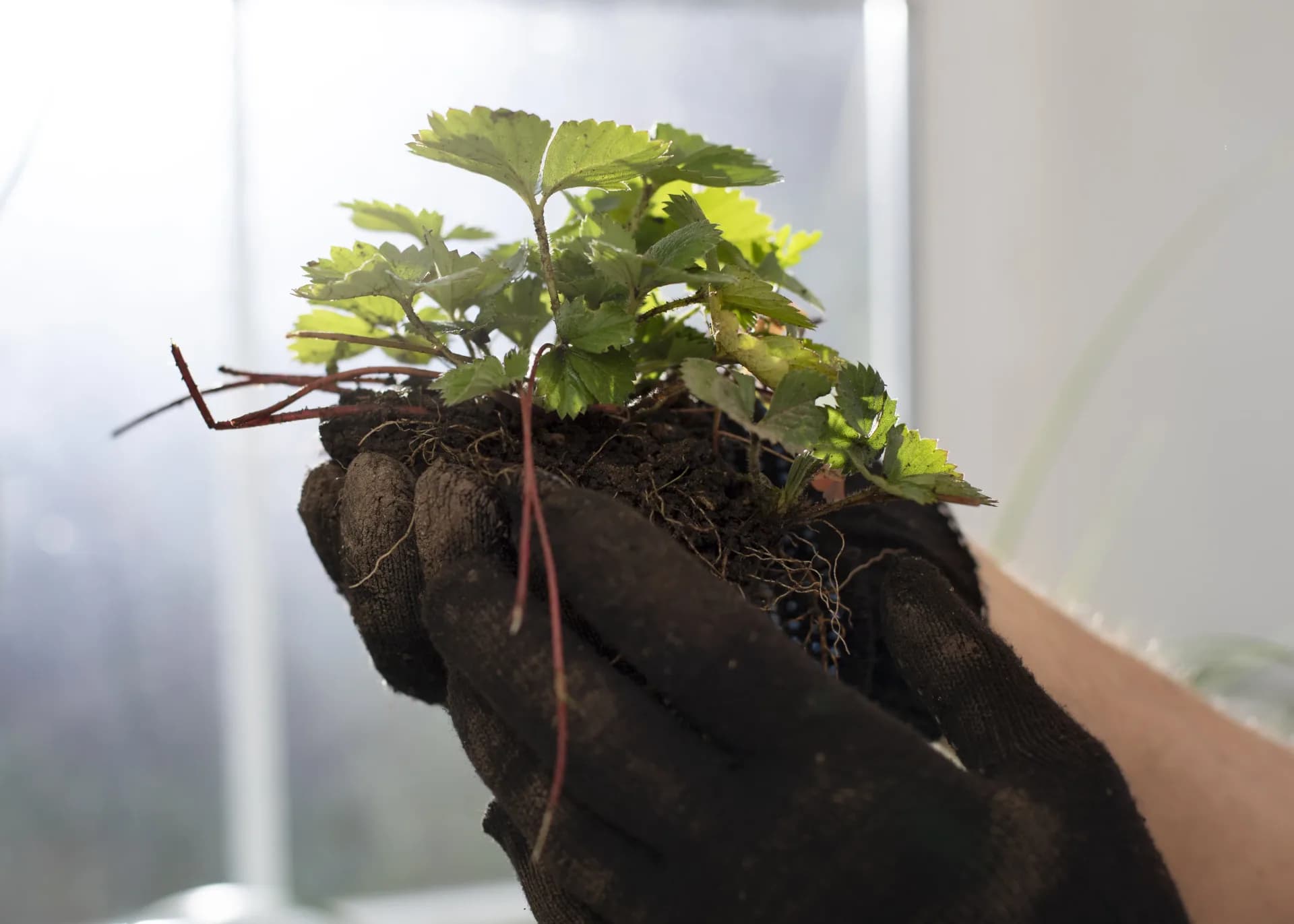
Rhizosphere physiology: the importance of the medium
The substrate is not just physical support; it is a nutrient store and a pH regulator. The main difference between soil (peat-based mixes) and coco fibre lies in their chemical and physical behaviour when interacting with the nutrient solution.
The peat-based substrate (Soil): the natural buffer
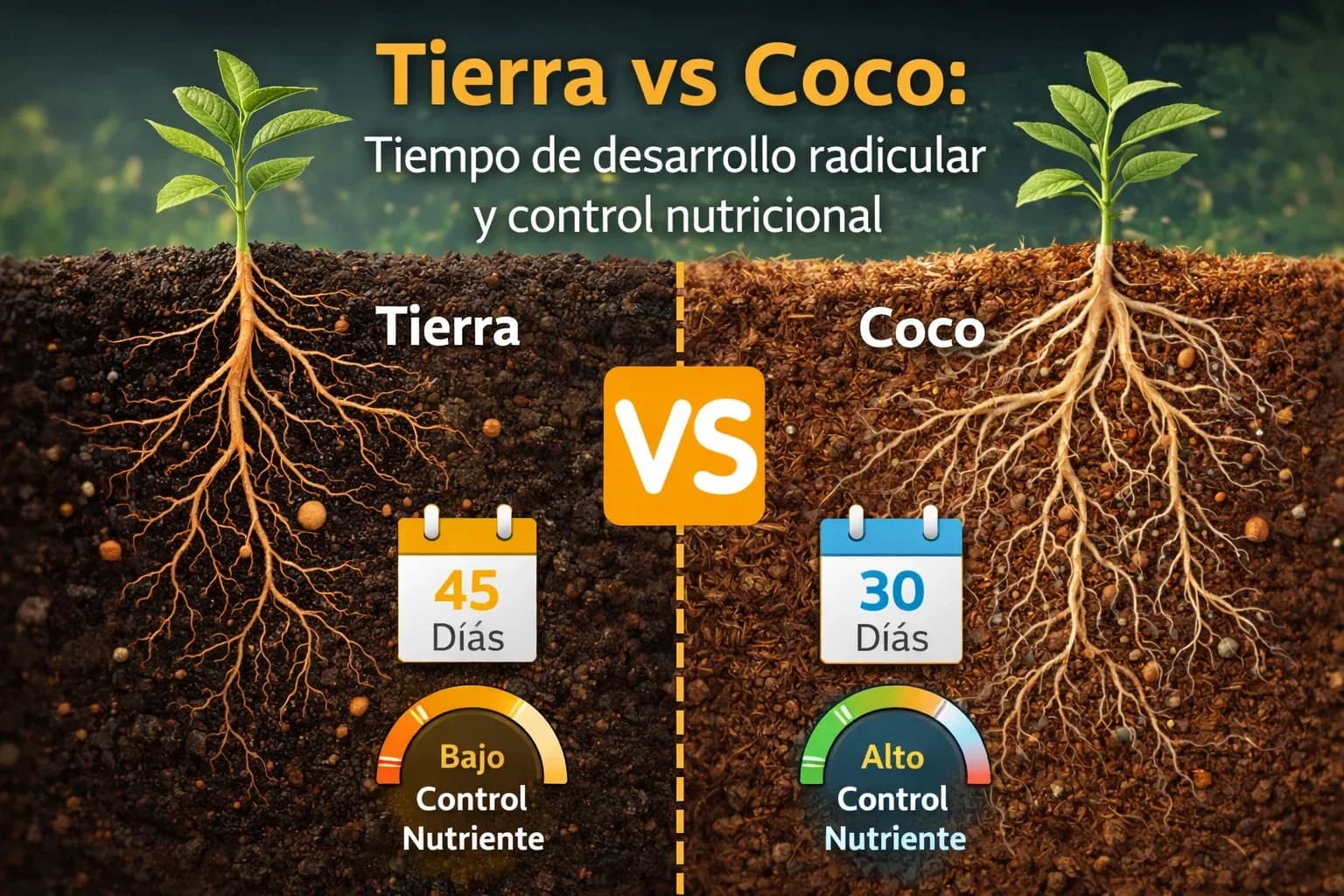
Soil stands out for its high Cation Exchange Capacity (CEC). This means the substrate has a negative charge that allows it to retain cations (such as Ca2+, Mg2+ and K+) and release them gradually as the plant requires them.
- Advantage: It forgives pH and EC mistakes thanks to its "buffer" effect.
- Challenge: Once saturated with salts due to poor fertilisation, it is harder to correct than an inert medium.
Coco fibre: hydroponic management
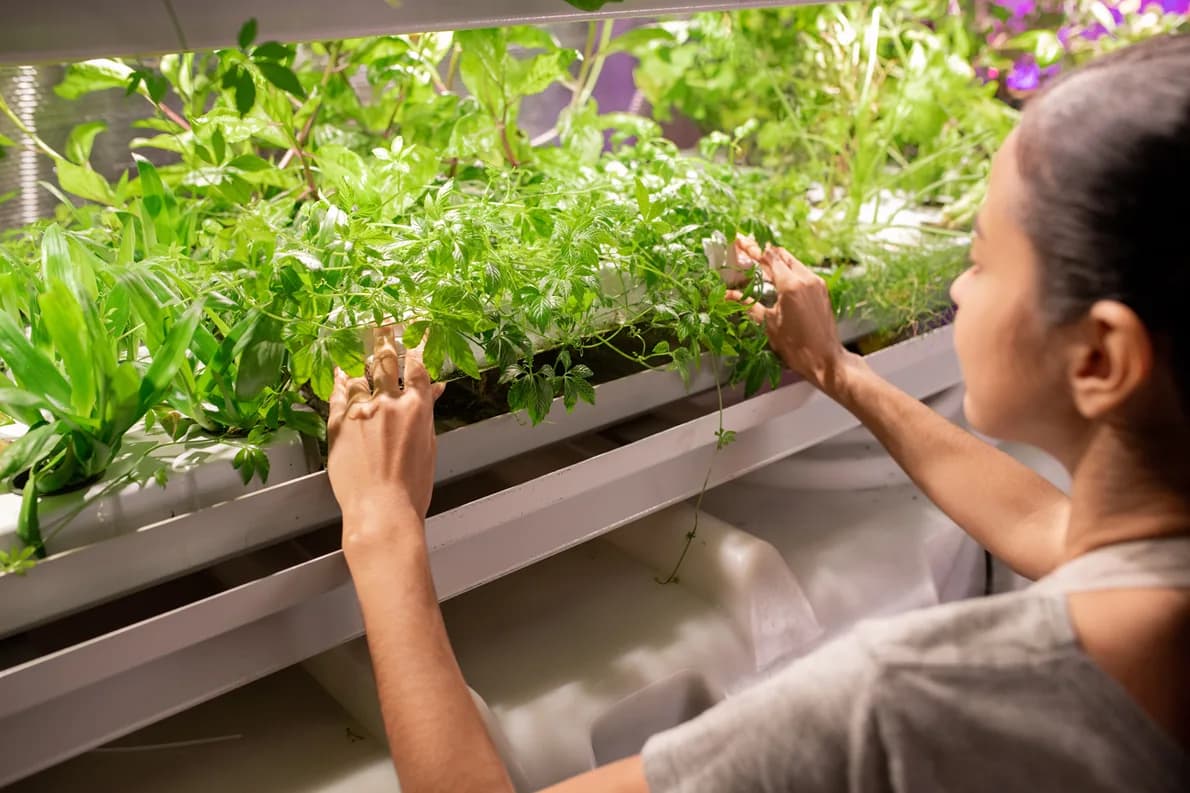
Coco is a practically inert medium with much lower CEC and higher air porosity. Since it does not retain nutrients as aggressively as peat, the grower has absolute control over nutrition.
- Advantage: Much faster root growth and greater oxygenation.
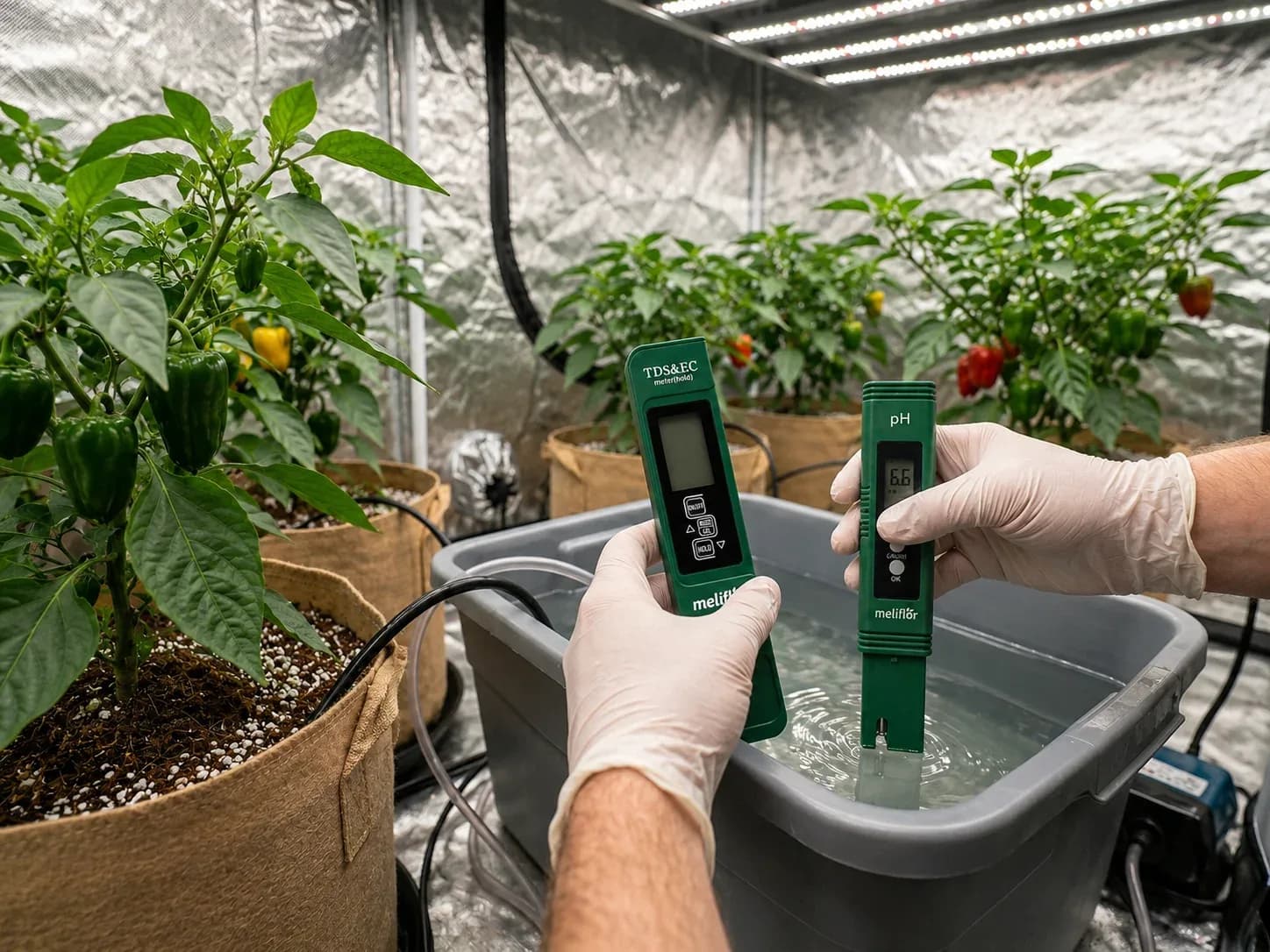
- Challenge: It requires fertilisation at every watering from day one and strict pH monitoring, as it has no "brakes" against poor practice.
The importance of initial EC and bioavailability
Regardless of the medium, the root’s first contact with fertiliser is critical. At this stage, the root hairs are extremely sensitive to osmotic stress.
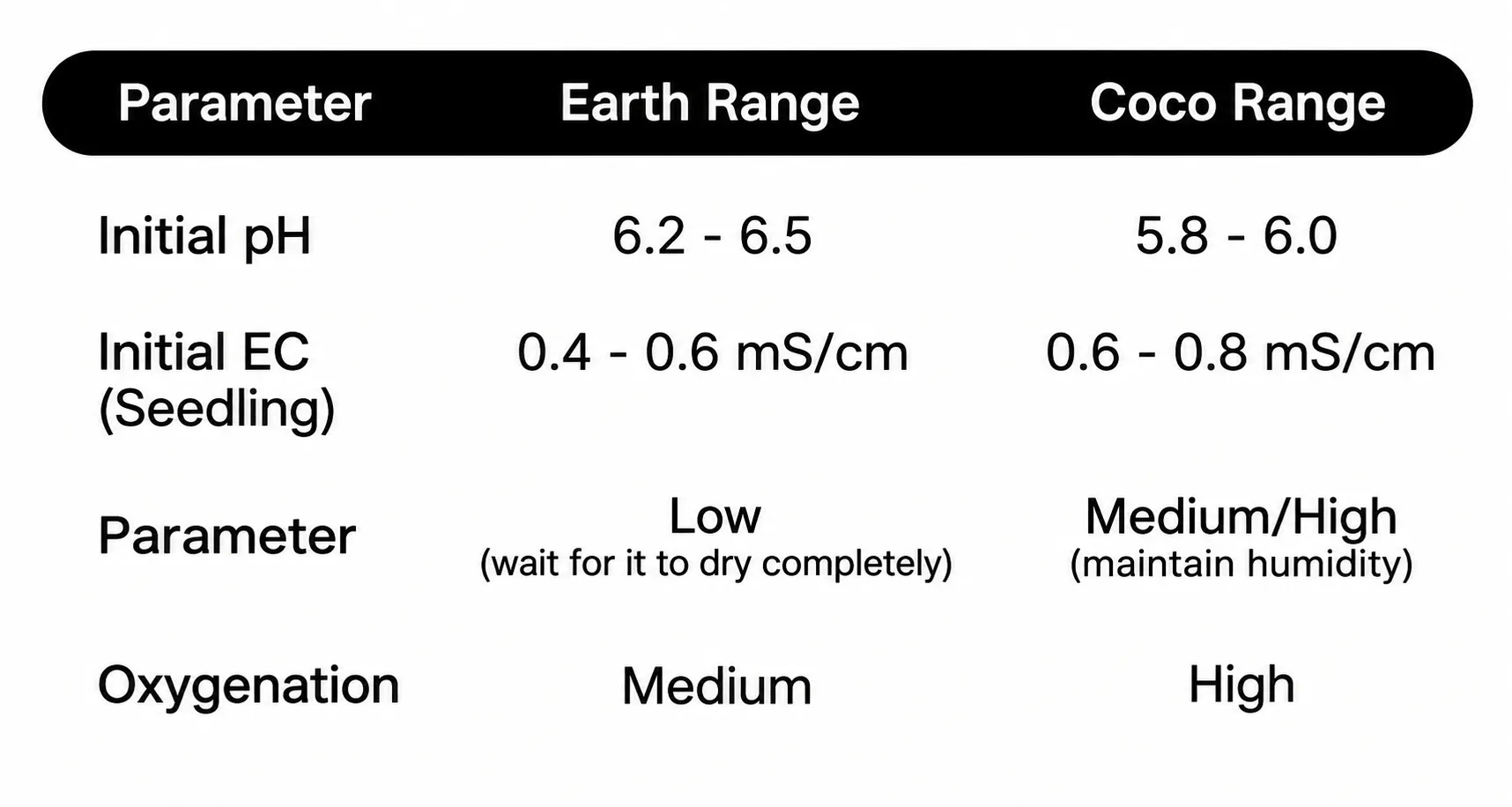
For a professional start, we recommend a low initial EC, between 0.4~mS/cm and 0.8~mS/cm (including the EC of the base water). A common mistake is to "load" the substrate, thinking the seedling needs plenty of food. In reality, during its first days, the plant lives mainly from its own reserves and needs a medium that encourages root exploration rather than massive absorption.
This is where the formulation of NANO 1 makes the difference. As a predominantly nitric nitrogen base containing chelated microelements, it ensures that the plant finds available food without needing to transform complex molecules, reducing metabolic energy expenditure.

Technical synergy: Nano 1 and CO2 Effect from day one
At Nano, we understand that intelligent nutrition begins with simplification. Nano 1 is designed to be the only base needed during growth and pre-flowering, already integrating CalMag and essential micronutrients. This is vital in coco fibre, where Calcium and Magnesium deficiency is the nightmare of beginners due to the substrate’s competitive absorption.
But the real "growth power" at this stage is CO2 Effect Led. Applied from the earliest phases (root or foliar application at doses of 0.2-0.5~ml/L), this systemic-action product stimulates root mass formation and strengthens vascular tissue.
In Soil: It helps overcome transplant stress and rapidly colonise the substrate.
In Coco: It compensates for the medium’s low energy retention, boosting nutrient assimilation even with lower watering frequencies.
Optimisation under LED: the thermal factor
If you grow with high-efficiency systems, such as those from the Ignator brand, remember that the lower infrared radiation of LEDs keeps the substrate cooler than HPS lamps.
A cold substrate (<18 ºC) slows down enzymatic activity and Phosphorus absorption. Therefore, in February, it is crucial to ensure that irrigation water is lukewarm (20-22 ºC) so as not to collapse the emerging root system.
The combination of a well-aerated substrate, clean nutrition like Nano’s and Ignator’s full-spectrum light ensures that the plant’s metabolism does not suffer seasonal slowdowns.
Quick tips for substrates and nutrition
Prior hydration of Coco: If you use coco bricks, make sure to wash them and charge them with a mild Nano 1 solution before planting to stabilise their initial CEC.
Do not compact the soil: When filling your pots, avoid pressing the substrate. Microporosity is essential for the roots to "breathe" and to avoid fungal diseases.
The weight trick: In soil, learn to water by weight. Lift the pot; if it feels light, it is time to water. Excess moisture is the biggest root killer in seedlings.
Preventive foliar use: During the first 2 weeks, a mild foliar application of CO2 Effect can provide the extra vigour needed if rhizosphere temperatures are not optimal.
Residue control: Nano 1 is Residue 0, which means it does not accumulate heavy metals in the substrate, maintaining long-term rhizosphere health even in drip irrigation systems.
Are you ready to give your roots the environment they deserve? Do not leave the success of your harvest to chance with a poorly managed substrate. Use the Nano calculator to adjust your doses and start this month with the total control that only advanced biotechnology can offer.